Incense
Why Natural Incense?
Learn what “natural incense” means, which aromatic materials are commonly used, and how to choose incense with greater confidence.
ViewHow to Burn Incense
A clear, practical guide to lighting incense, positioning it safely, controlling the experience, and caring for your holder.
ViewIncense Guide
Understand incense formats, fragrance families, burn time, storage, and how to select a scent for different moments.
ViewJournal
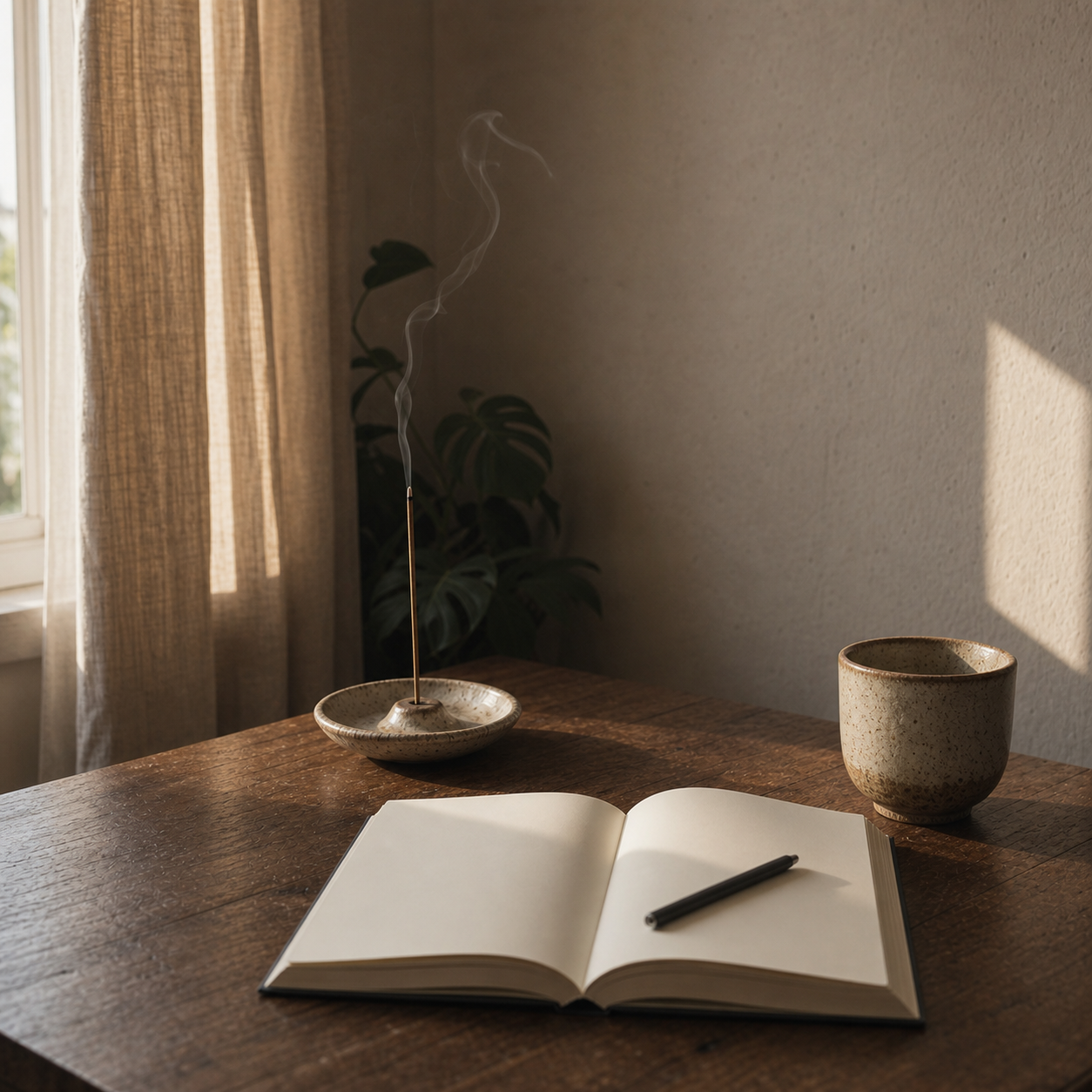
Before the Day Gets Loud: A Simple Morning Incense Ritual
A simple morning incense ritual can create a quiet beginning before the screen, messages, and the rest of the day begin asking for your attention.
Read more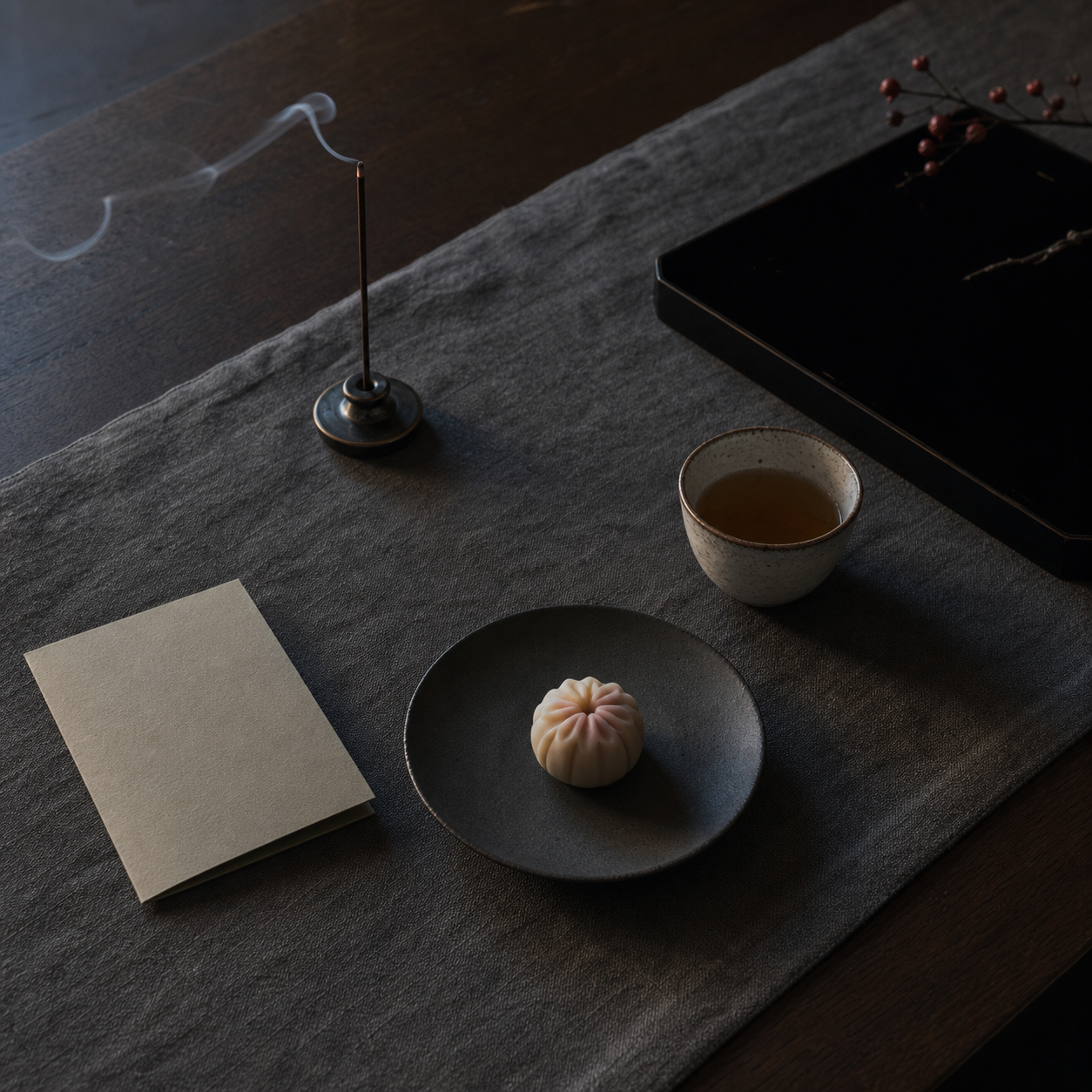
How to Create a Quiet Evening Ritual with Agarwood Incense
A quiet evening ritual with agarwood incense can help mark the shift from work to home: one safe holder, one stick of incense, and a room allowed to slow down.
Read more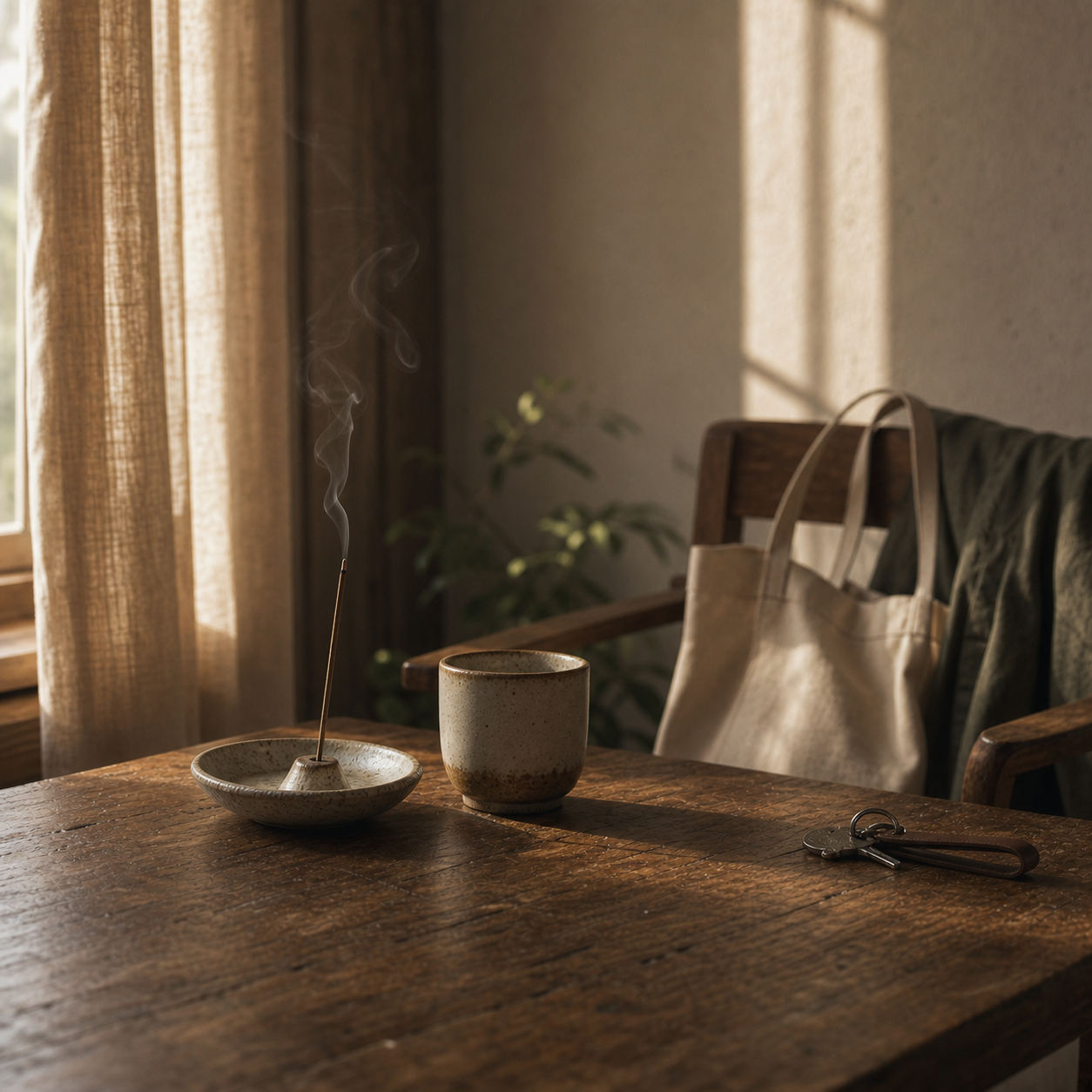
What Is a 15-Minute Incense Ritual?
A 15-minute incense ritual is a simple way to mark a pause in the day: one stick of incense, one quiet room, and enough time to return to yourself.
Read moreMarble Incense Holder
Marble begins as limestone. Under heat and pressure within the earth, the limestone recrystallizes and becomes denser. Minerals present during this process create the colors, veins, lines, and cloudy formations associated with natural marble.
This process means that marble is not a printed or perfectly repeatable material. Even pieces cut from the same block can look different.
Why Every Piece Is Unique
Natural variation may include:
- Fine or dramatic veining
- Mineral spots and crystalline areas
- Changes in color across one surface
- Small pores or natural pits
- Lines that appear darker when viewed from different angles
- Differences in translucency and polish
These characteristics are not necessarily defects. They are evidence that the object was made from natural stone rather than a uniform synthetic material.
Product photography should represent the general stone family, but the exact pattern of the piece received will vary. Clear variation language helps customers understand that uniqueness is part of the product.
White and Gray Marble
White marble may include gray, charcoal, beige, or soft gold veining. It feels light and architectural, and pairs easily with glass and brass.
### Beige and Cream Marble
Cream stone often contains warm mineral clouds, subtle brown lines, or fossil-like markings. It creates a softer, more relaxed impression.
### Green Marble
Green marble can range from pale sage to deep forest tones, often with white or dark veining. Its character is expressive and naturally varied.
### Brown and Violet-Toned Marble
Brown, taupe, mauve, and violet mineral patterns can appear layered and painterly. These stones work especially well when a product is intended to be both functional and decorative.
How to Clean Marble
For everyday care:
1. Allow the holder to cool completely.
2. Remove loose ash with a soft, dry cloth or brush.
3. Wipe the marble with a soft cloth lightly dampened with water.
4. Dry the surface immediately.
For a more thorough clean, use a small amount of pH-neutral stone-safe cleaner according to its instructions. Test any product on an inconspicuous area first.
What to Avoid
Do not use:
- Vinegar or lemon
- Acidic bathroom or kitchen cleaners
- Abrasive powders
- Rough scouring pads
- Bleach or strong solvents
- Prolonged soaking
Acid can react with marble and create dull, etched areas. Abrasives can scratch or change the polished finish.
## Preventing Stains and Marks
Marble is porous. Remove incense residue, oils, colored liquids, and standing water promptly. Use clean hands when handling pale stone, especially after touching incense ash or fragrance oils.
If the holder includes removable glass vessels, lift them carefully rather than scraping them across the stone.
## Living With Natural Variation
A marble object changes subtly with light. Veins that appear quiet in soft daylight may become more visible under a warm lamp. This responsiveness is part of what makes the material feel alive in an interior.
Rather than expecting perfect repetition, choose marble because each piece has its own composition.